2026-03-20
Plastic Caps and Closures: What Beverage Brands Should Pay Attention to in 2026
In the beverage packaging industry, closures rarely attract much attention. Compared with bottle design or labeling, they often seem like a small component.
However, for beverage brands operating high-volume production lines, closures play a much bigger role than many people expect. Even small issues with sealing performance or compatibility can quickly affect production efficiency.
As beverage portfolios expand and sustainability regulations become stricter, closures are receiving renewed attention across the packaging industry.
These changes are gradually reshaping the plastic caps and closures market and influencing how beverage brands evaluate their packaging partners.
Why the Plastic Caps and Closures Market Continues to Grow Through Scale
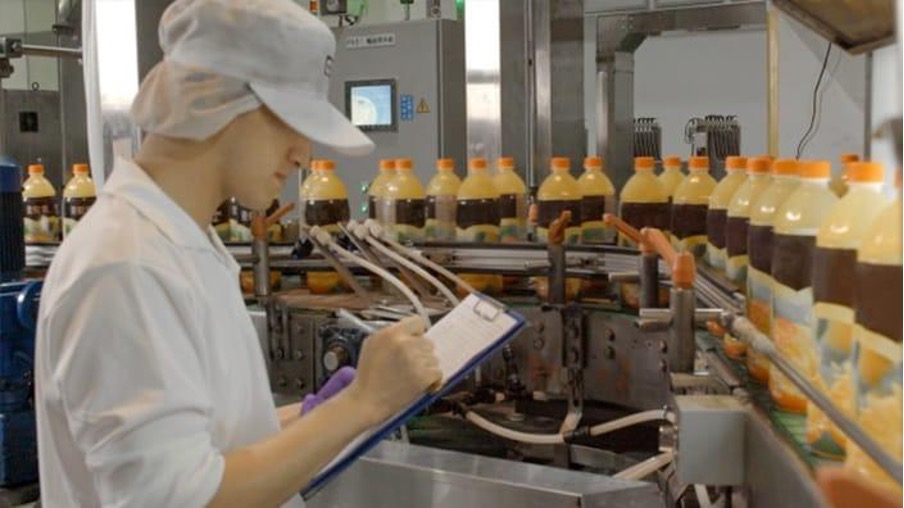
One of the defining characteristics of the plastic caps and closures industry is its production scale.
Billions of closures are manufactured every year for products such as bottled water, carbonated soft drinks, ready-to-drink beverages, dairy drinks, and functional beverages. Because production volumes are so high, even small improvements in manufacturing efficiency or material usage can create significant cost savings.
According to market analysis from Grand View Research, global demand for plastic caps and closures is largely driven by steady consumption of bottled beverages. The industry tends to grow through consistent large-scale production rather than sudden market expansion.
For beverage companies, this makes supply stability and production reliability especially important when selecting packaging partners.
Why Beverage Packaging Drives Closure Innovation
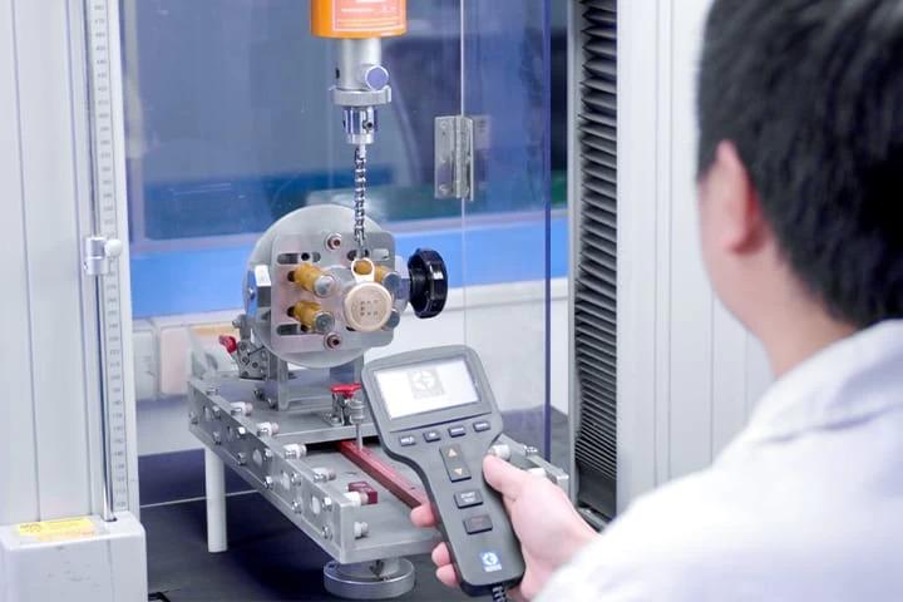
Among all packaging sectors, beverages remain the largest consumer of plastic closures. Each beverage category also presents different technical requirements.
Carbonated soft drinks require closures that can withstand internal pressure while maintaining seal integrity over long distribution cycles. Bottled water producers often prioritize lightweight closure designs that reduce plastic usage while maintaining compatibility with high-speed filling lines.
Dairy drinks and functional beverages focus more heavily on hygiene, tamper evidence, and a smooth opening experience for consumers.
As beverage portfolios expand, compatibility between packaging components becomes increasingly important. Industry research from Smithers shows that beverage companies are increasingly interested in integrated packaging systems that combine PET preforms, closures, and bottling processes to improve efficiency, reduce operational risks, and enhance supply coordination.
This approach helps reduce operational risks such as leakage, torque inconsistencies, and production interruptions.
Sustainability Is Reshaping Closure Design
Environmental regulations are increasingly influencing how beverage packaging is designed, and closures are no exception.
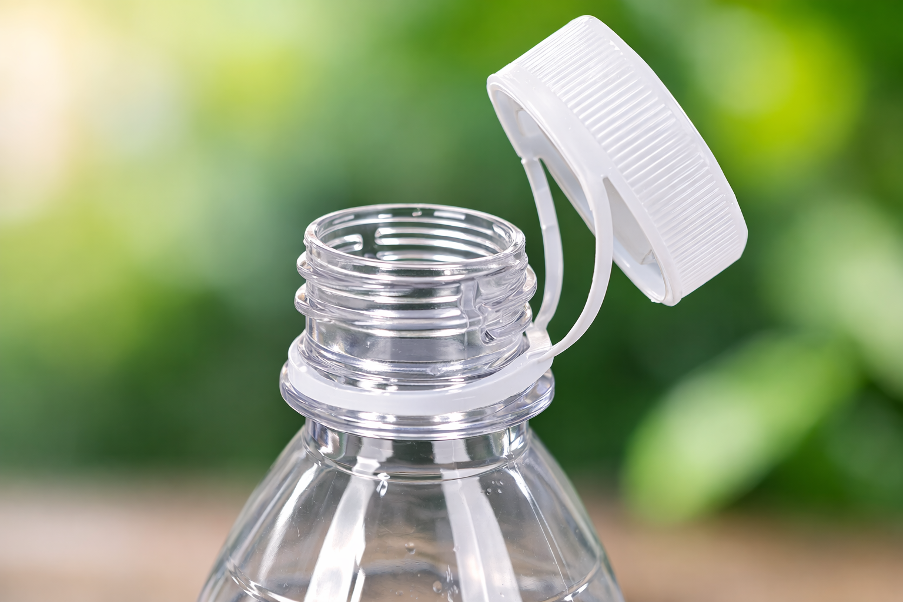
One notable example is the European Union’s Single-Use Plastics Directive. Under this regulation, beverage containers up to three liters must use tethered closures so that the cap remains attached to the bottle after opening. The purpose is to improve recycling rates and reduce plastic waste entering the environment.
As a result, closure manufacturers are investing more heavily in technologies that support both regulatory compliance and long-term sustainability goals.
| Industry Trend | Why It Matters | Technology |
|---|---|---|
| Lightweight closures | Reduces plastic consumption and lowers carbon footprint | High-precision injection molding |
| Tethered caps | Supports compliance with recycling regulations | Integrated hinge design |
| Smart packaging | Enables product traceability and digital interaction | PLaser-marked QR codes |
These developments show how closures are gradually evolving beyond their traditional role. What was once considered a simple plastic component is becoming an important functional element within modern packaging systems, supporting sustainability targets, regulatory compliance, and digital packaging innovation.
As sustainability requirements continue to evolve, packaging partners also play an important role in helping beverage brands adapt. By developing lightweight designs, supporting recyclable structures, and ensuring compatibility with high-speed production, companies like Hon Chuan can assist customers in meeting both environmental goals and operational requirements.
Why Packaging Partnerships Matter in Beverage Production
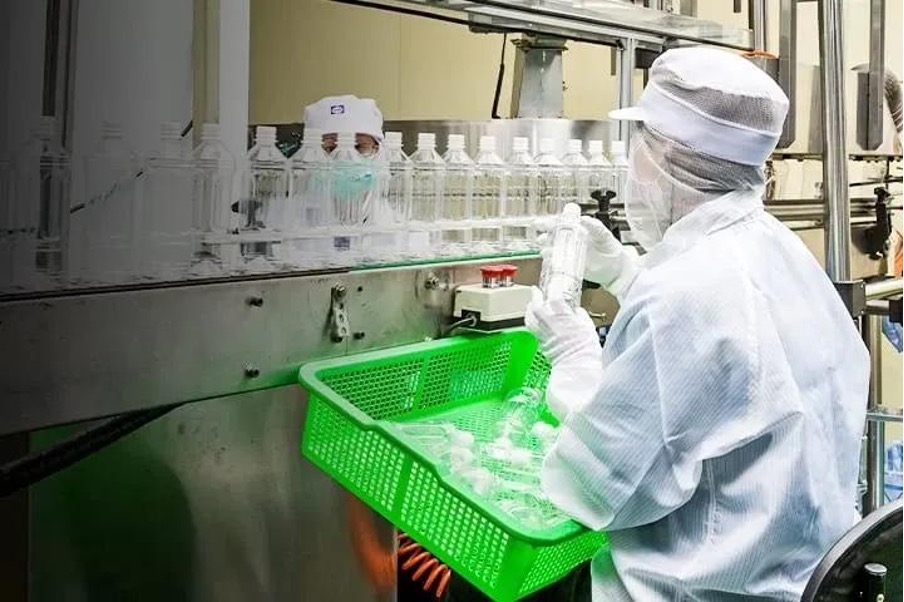
Modern beverage production lines operate at extremely high speeds. Even small inconsistencies between packaging components can lead to operational challenges.
These challenges may include leakage during transportation, unstable torque performance, interruptions on filling lines, or increased product waste.
To reduce these risks, many beverage brands prefer to work with packaging partners that offer integrated production capabilities.
For example, Hon Chuan has developed an In-House Production model known as PWP. Under this approach, PET preform and closure manufacturing lines can be installed directly inside a customer's beverage bottling facility.
This setup shortens supply chains and improves production coordination. It also reduces transportation requirements and helps companies move toward lower-carbon operations.
For large beverage producers, these operational advantages can significantly improve efficiency and supply reliability.
What to Look for in a Packaging Partner
As beverage production becomes more complex, brands look for packaging suppliers that can ensure stable supply, maintain compatibility across packaging components, and support sustainability goals.
Suppliers with a strong regional presence can provide packaging materials closer to production sites, helping reduce logistics complexity and improve supply reliability. For example, Hon Chuan has established operations across Southeast Asia, China, and Africa, enabling localized supply and continuous expansion to support global beverage brands.
Market Outlook: What Will Shape the Industry in 2026
Looking ahead, several factors will continue to shape the plastic caps and closures industry.
Operational reliability will remain a key priority. Beverage brands depend on packaging suppliers that can maintain consistent quality across extremely high production volumes.
Integrated packaging systems are also becoming more common as companies seek to simplify supply chains and improve packaging compatibility.
At the same time, sustainability requirements will continue influencing packaging design. Lightweight materials, recyclable structures, and compliance with environmental regulations will remain central to industry development.
Companies that combine large-scale manufacturing with sustainable packaging innovation will be better positioned to support beverage brands in the years ahead.
FAQ
What are plastic caps and closures used for?
Plastic caps and closures seal beverage containers such as bottled water, soft drinks, dairy beverages, and functional drinks. They help protect product quality and prevent leakage during transportation and storage.
What are tethered closures?
Tethered closures remain attached to the bottle after opening. This design improves recycling collection and complies with environmental regulations such as the EU Single-Use Plastics Directive.
Why do beverage brands prefer integrated packaging suppliers?
Beverage brands prefer integrated packaging suppliers because they can coordinate PET preforms, closures, and bottling systems, reducing compatibility issues and improving production efficiency.
In addition, suppliers with a strong regional presence can provide more stable and localized supply, helping brands reduce logistics complexity and ensure consistent operations.
How can QR codes on bottle caps be used?
Laser-marked QR codes allow beverage brands to implement product traceability, anti-counterfeiting systems, and consumer engagement through digital interactions.


